Home / Appliance Placement and Energy
Appliance Placement and Energy
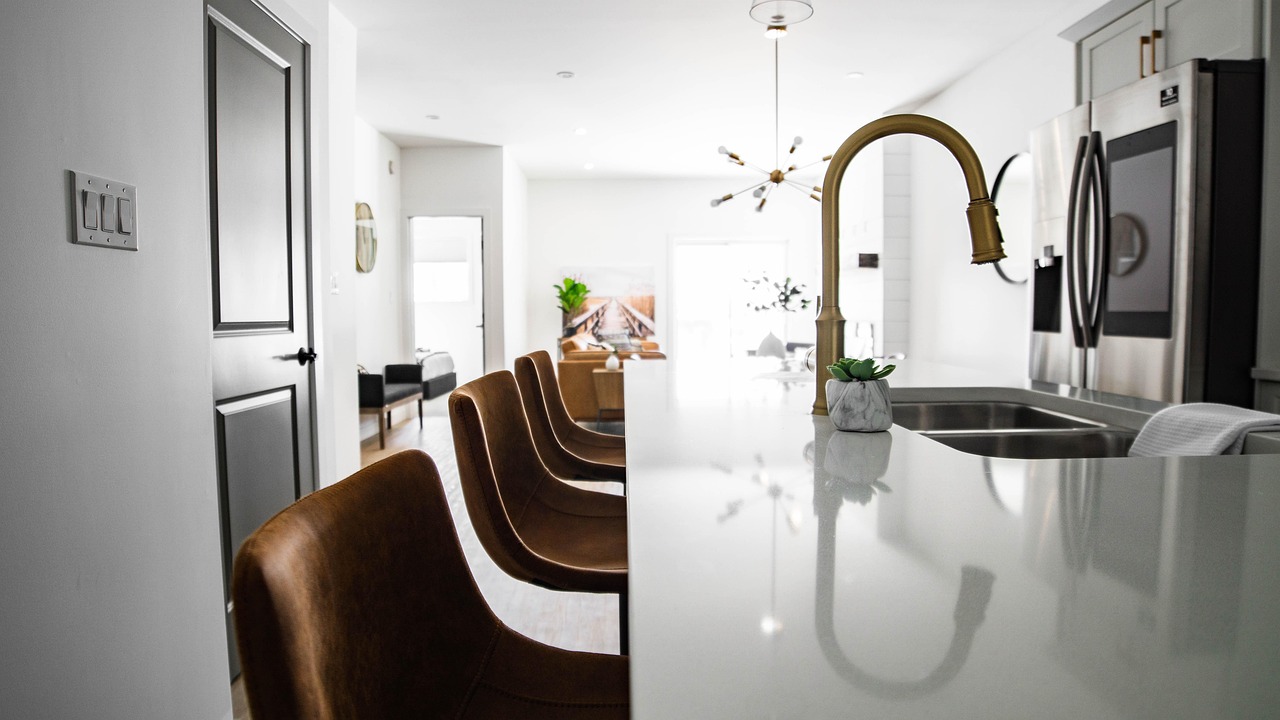
Two kitchens can own identical appliances and run up very different energy bills. The difference often comes down to where each machine sits, what is next to it and how air moves around it. Placement is free if it is decided during planning, and expensive to fix afterward, because moving a refrigerator or a range means moving plumbing, gas, wiring and cabinets.
The refrigerator and its neighbors
A refrigerator works by moving heat from inside the cabinet to the room, releasing it through coils. If the room around it is hot, or the coils cannot breathe, the compressor runs longer to do the same job. Three placement mistakes show up again and again.
- Beside the oven or range. The side wall of a refrigerator next to a heat source warms up, and the compressor works against it. A spacer, such as a tall cabinet or a short run of counter, provides a buffer of cooler air.
- In direct sun. A refrigerator against a sunny window or a glass door absorbs heat all afternoon. Shade the glass or choose a shadier wall.
- Boxed in tightly. Built-in cabinets that leave no gap around the top and sides trap warm air. Manufacturers specify minimum clearances on all sides, and a surround that ignores them shortens the life of the unit as well as raising its energy use.
Dust on the coils is a related problem. A refrigerator in a spot where it is hard to pull out and vacuum behind will collect lint, so access matters.
The range, the hood and the heat
A cooking surface is the largest heat source in the room, so its position relative to windows, the refrigerator and the dining area shapes comfort. Placing it on an exterior wall makes venting to the outdoors short and direct, which means the hood needs less duct length and loses less airflow in bends. A range in the middle of an island is possible but requires a longer duct run or a down-draft system, and both cost airflow and energy.
Keep the burners away from doorways and strong cross-drafts. A breeze across a flame or a pan wastes heat and complicates ventilation. In an open plan, the range sits in the part of the room where cooking steam and heat will not drift straight into the living area.
The dishwasher and the water heater
A dishwasher uses energy mostly to heat water, so the hot water pipe length matters. A water heater far from the kitchen sends a long run of cold water down the pipe before the hot arrives, which wastes both water and heat. If the dishwasher sits near the sink, the pipe run is short. Putting the dishwasher beside the sink also shortens the drain connection and reduces the chance of poor drainage.
Avoid placing the dishwasher right next to the oven, because heat from the oven can warm the cabinet and the door seals. A dishwasher next to the refrigerator can be fine, but a gap between them helps keep the refrigerator cool.
Small appliances and the work triangle
Kitchen designers talk about a triangle linking the refrigerator, the sink and the cooktop. The idea is to keep the travel distance short without crowding the three points. Shorter travel is a comfort matter more than an energy one, but it affects energy in a practical way: a cook who can reach the refrigerator in a step leaves the door open for less time. Every second the door is open lets cold air out and warm air in.
Place the items used together near each other, so there is less back-and-forth. The coffee maker, the toaster and the microwave belong on a counter with their own outlets, away from the range, so their cords and heat do not collide with the cooking surface.
Ovens and microwaves
Wall ovens stacked at eye level avoid the bending that comes with a range oven, and they allow the cooktop to be placed elsewhere, which spreads heat sources apart. A microwave built into the cabinetry above the counter rather than over the range keeps its electronics away from rising heat and steam, which extends its life. For quick reheating, a microwave or a small countertop oven uses far less energy than heating a full-size oven.
Freezers, wine coolers and the second refrigerator
An extra refrigerator or a chest freezer is one of the biggest sources of avoidable energy use, because it often lives in the hottest, least ventilated spot in the house. A garage that bakes in summer forces the compressor to work against high outside temperatures all afternoon. If a second unit is needed, a shaded, cooler location such as an interior utility room or a pantry gives better results than a garage wall that takes direct sun. An undercounter beverage cooler works the same way: give it room to breathe and keep it out of the sun and away from the dishwasher exhaust.
Ice makers and water dispensers add a small load of their own, along with plumbing that needs to be reached for service. Position them so the supply line is short and accessible.
Electrical capacity and location
Placement also decides the wiring. Large appliances such as an electric range, a wall oven or an induction cooktop need dedicated circuits, and the distance from the electrical panel affects the length of the cable. A shorter run is a minor saving, but the real matter is capacity: a full set of high-draw appliances can exceed what an older panel provides. A licensed electrician can add up the load and recommend whether the panel needs more space. It is wise to settle appliance locations before the electrician starts, since moving a circuit later requires opening finished walls.
A placement checklist
- Draw the room to scale and mark each window, noting which way it faces.
- Locate the refrigerator away from the range, the oven and direct sun.
- Put the cooktop on or near an exterior wall for a short, straight duct.
- Keep the dishwasher close to the sink and the water supply.
- Confirm the clearances in each manufacturer's installation sheet before cabinets are ordered.
- Give the electrician the final locations before wiring starts.
Readers interested in how these placement choices play out in a complete renovation can look at the longer articles on kitchen remodeling riverside works, which follow a whole kitchen through its stages. Good placement gives a kitchen lower running costs, longer appliance life and a more comfortable room, all without buying anything more efficient than what was already planned. It is the least glamorous energy upgrade, and often the one with the best return.
Lastly, leave room for service. An appliance that can slide out for a repair without damaging the counters will be maintained more readily, and a well-maintained appliance keeps its efficiency for its whole life.