Home / Energy Efficient Kitchen Remodels in Riverside
Energy Efficient Kitchen Remodels in Riverside
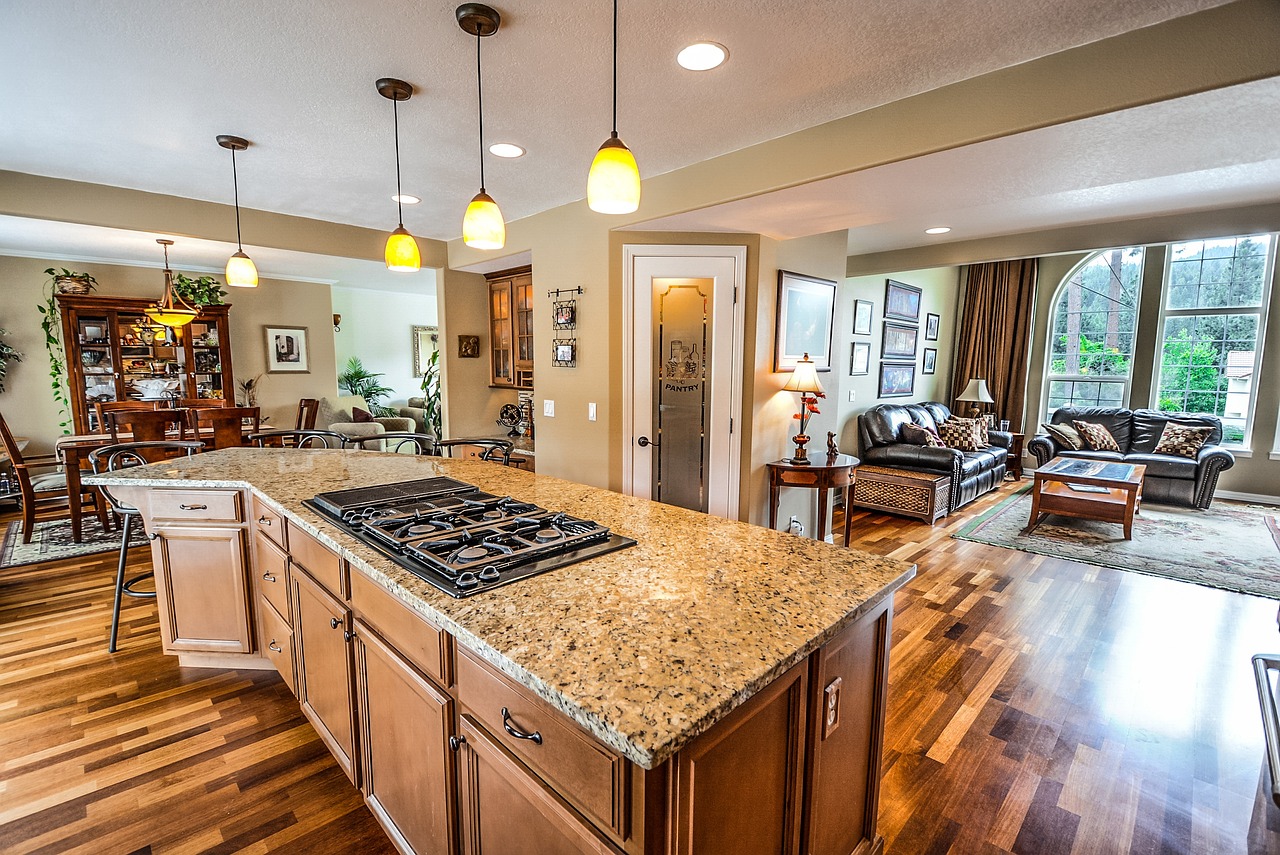
A common belief is that an energy efficient kitchen simply means buying appliances with a good efficiency label. Labels help, but they cover only part of the picture. In a Riverside home the largest kitchen energy costs often come from things that never carry a sticker: an uninsulated exterior wall facing the afternoon sun, a refrigerator squeezed next to the oven, a ceiling full of old halogen cans, and an air conditioner working overtime to remove heat the kitchen itself created. A remodel that addresses those quieter losses usually saves more than one that only swaps appliances.
Where the energy actually goes
It helps to sort kitchen energy use into four groups, because each one calls for a different fix.
- Refrigeration. The refrigerator runs around the clock, every day of the year. Even a modest improvement in how hard it works adds up because it never stops.
- Cooking. Ranges, ovens and small appliances use energy in bursts. Their direct use is smaller than many people assume, but in a hot climate the heat they release also has to be pumped back out by the air conditioning.
- Hot water. The dishwasher and the kitchen sink both draw on the water heater. Long pipe runs between the heater and the sink waste energy each time the tap is opened and the hot water cools in the line.
- Lighting and cooling. Lights in a kitchen often run for many hours, and in a Riverside summer the cooling load caused by sunlit windows, warm walls and appliance heat can rival everything else combined.
Looking at the kitchen this way turns a vague goal into a short list of specific decisions.
What the California energy code expects
California has its own building energy standards, often called Title 24, which the state updates periodically. They set requirements for insulation, windows, lighting and some appliance installations when work is permitted. A kitchen remodel in Riverside that alters walls, replaces windows or rewires lighting will generally need to meet the current version for the parts being changed. The rules also tend to favor high efficacy lighting and controls such as dimmers or vacancy sensors in kitchens.
The details change between code cycles, so the right approach is to ask the contractor or designer which requirements apply to the specific scope and to let the permit inspection confirm it. Treat the code as a minimum. Many of the choices below go further than the code requires and pay back in comfort as much as in energy.
The building shell: walls, ceiling and windows
The shell is where a remodel has an advantage no appliance upgrade can match. Once drywall comes off an exterior wall, the stud cavities are exposed and can be filled with insulation. Many older homes in Riverside, from the Craftsman bungalows of the Wood Streets to the postwar ranch houses of La Sierra, were built with little or none. Filling those cavities and air sealing the gaps around pipes, wires and electrical boxes slows heat moving in during summer and out during the occasional cold winter night.
Air sealing deserves special attention in this region. During Santa Ana wind events in the fall, hot dry air pushes hard against the house. Gaps around a kitchen sink drain, a range hood duct or an old window frame let that air and its dust in. Sealing them during the remodel is a small task with a noticeable effect on both comfort and cleaning.
The ceiling matters too. In single story homes the kitchen ceiling sits right under the attic, which can become extremely hot in summer. If the remodel involves new recessed lights, choosing fixtures rated for direct contact with insulation and sealed against air leakage keeps the attic heat where it belongs. Adding attic insulation over the kitchen while the space is accessible is often worthwhile.
Windows complete the shell. A west facing kitchen window in Riverside can let in a large amount of solar heat during summer afternoons. Replacement glass with a low solar heat gain rating, combined with exterior shading, reduces that load significantly. North facing glass, by contrast, brings in soft daylight with little heat, which can reduce how often the lights are switched on during the day.
Appliances: choosing and placing them
Choosing efficient models is the familiar part. Comparing the yearly energy figures on the yellow labels for refrigerators and dishwashers is a useful habit. Where a refrigerator goes is just as important and rarely discussed. A refrigerator placed beside the range, in direct sun, or against an exterior wall that bakes all afternoon runs harder than the same model in a shaded, ventilated spot. Leaving the clearance the manufacturer specifies around the coils also helps it shed heat.
For cooking, induction is generally the most efficient way to heat a pan, since the energy goes into the cookware rather than the surrounding air. That efficiency also means less heat for the air conditioning to remove afterward, a benefit that matters more in Riverside than in a coastal city. A smaller secondary oven for everyday meals avoids heating a large cavity for a small dish.
The dishwasher is usually more efficient than hand washing a full load, especially when run full and on a normal or eco cycle. Using the air dry option instead of heated drying saves a bit more.
Hot water delivery
If the kitchen sink sits far from the water heater, gallons of water are run down the drain each day waiting for warmth to arrive, and the heat left in the pipe afterward is lost. A remodel can shorten this distance in a few ways. Insulating accessible hot water pipes is the simplest. A demand controlled recirculation pump, which runs only when someone presses a button or a sensor detects use, reduces the wait without running constantly. Relocating the water heater closer to the kitchen is a larger project but sometimes fits naturally into a whole house renovation.
Lighting that earns its keep
LED fixtures use a fraction of the energy of incandescent or halogen lamps and produce far less heat. In a kitchen they also last long enough that hard to reach fixtures rarely need attention. A good lighting plan for an efficient kitchen layers three kinds of light: under cabinet task lighting over the counters, general ceiling light, and accent or pendant light over an island or table. Putting each layer on its own switch or dimmer means only the needed light is on.
Color temperature affects how the kitchen feels. Warm white tends to suit dining and evening use, while neutral white makes food prep easier. Many fixtures now let the color be adjusted, which avoids having to choose one for every situation.
Local context worth considering
Riverside's semi arid climate means that most of the year's kitchen energy story is about keeping heat out. A kitchen on the east side of a house near Mount Rubidoux, shaded in the afternoon by the hill or by tall trees, will behave very differently from one in an open tract in the eastern part of the city with full western exposure. Homeowners near the University of California, Riverside or along Victoria Avenue sometimes have mature landscaping that already provides shade, and keeping it during construction can be worth as much as any window upgrade.
Solar panels are common across the Inland Empire, and an efficient kitchen pairs well with them. Lowering the kitchen's daytime cooling and cooking load leaves more of the panels' output for other uses or for export.
A practical order of priorities
When the budget forces choices, a reasonable sequence for a Riverside kitchen is to seal and insulate any open walls and ceilings first, since that chance may not return for decades. Next, deal with west facing glass and shading. Then plan lighting with LEDs and separate controls. Finally, choose efficient appliances and place them away from heat sources. Following that order puts the money where the house loses the most energy and leaves the kitchen more comfortable on the hottest afternoons of the year.