Home / LED Color Temperature in Kitchens
LED Color Temperature in Kitchens
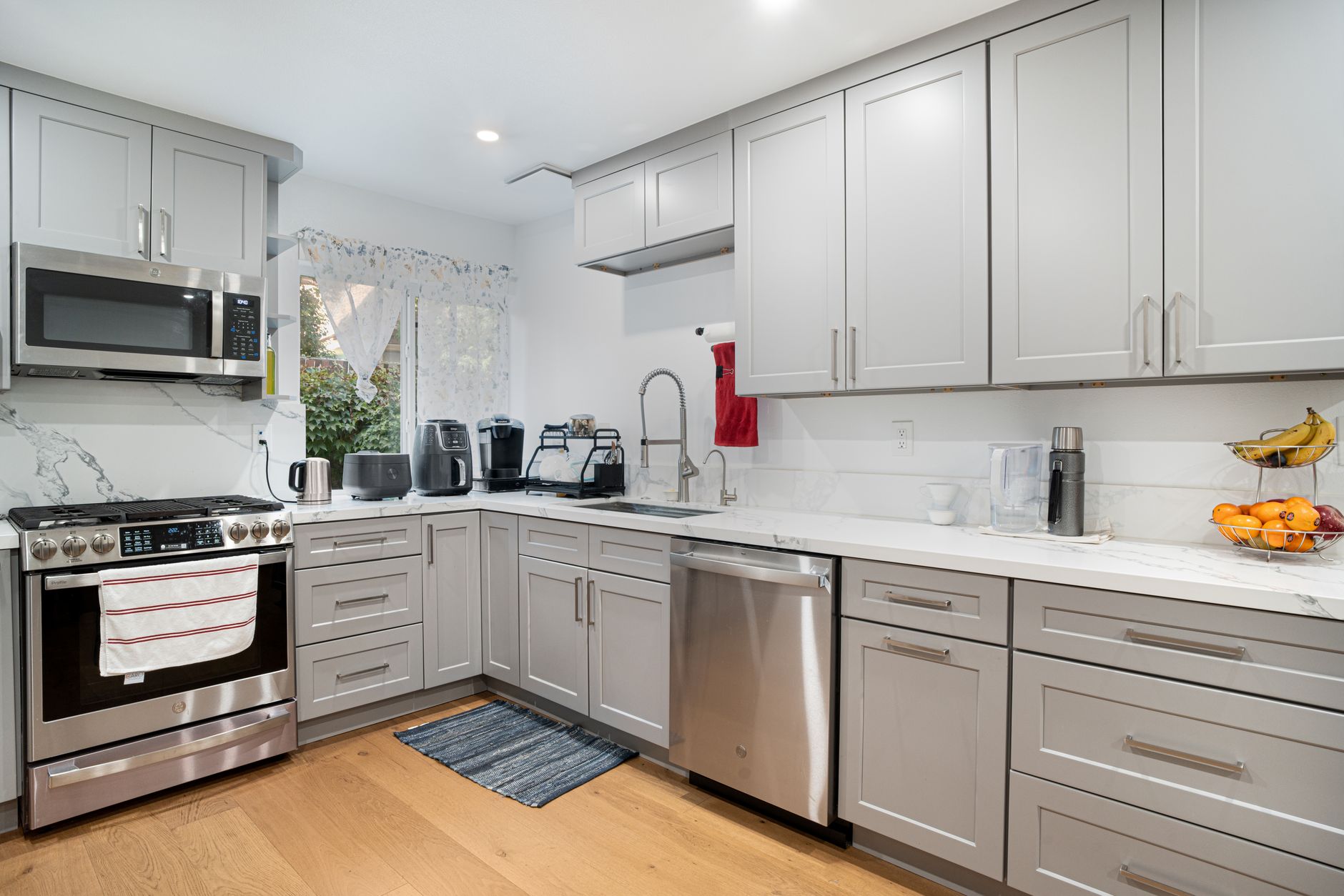
Two kitchens can use identical cabinets and the same tomato on the same cutting board and still look completely different, simply because of the light bulbs overhead. One glows like candlelight and the other looks like a dentist's office. The difference is color temperature, a measurement that is easy to understand once a few reference points are clear, and one that matters more for appearance than almost any other lighting choice.
What color temperature means
Color temperature is measured in kelvins and describes the hue of white light a lamp produces. Despite the name, the scale runs the opposite way from what feels intuitive. A low number gives a warm, yellow-orange glow, like a flame or an old incandescent bulb. A high number gives a cool, bluish-white light, like an overcast sky. It has nothing to do with how hot the lamp actually gets, and LED lamps stay cool to the touch compared with the bulbs they replace.
The ranges most homeowners will see on packaging fall into a few bands:
- About 2700 kelvins: warm white, close to the traditional incandescent look.
- About 3000 kelvins: soft white, slightly crisper but still warm.
- About 3500 to 4000 kelvins: neutral white, balanced and clean.
- About 5000 kelvins and above: daylight or cool white, bright and bluish.
How warm light treats food and finishes
Warm light flatters reds, oranges and yellows. Wood grain, brass hardware, terracotta and warm paint colors look richer under it. A bowl of tomatoes and a loaf of bread look appetizing. The tradeoff is that very warm light can make white cabinets look cream, turn gray walls slightly beige and push blue tile toward green.
Cool light does the opposite. It sharpens whites and makes stainless steel, gray stone and blue or green accents look crisp. It can make a kitchen feel clean and modern, which is why many commercial spaces use it. In a home kitchen, though, high color temperatures can feel stark in the evening, and they tend to make skin tones and wood look flat or slightly gray.
The case for a middle setting
For most home kitchens, a neutral-leaning warm white around 3000 to 3500 kelvins is a safe, pleasing choice. It keeps whites looking white without draining warmth from wood and food. It also reads well both during the day, when it mixes with window light, and at night, when it should feel welcoming rather than clinical.
The exception is a kitchen dominated by cool finishes, such as a white and gray palette with stainless appliances and a quartz counter. There, a slightly cooler lamp around 3500 to 4000 can harmonize with the surfaces, while a very warm lamp might fight them. The goal is for the light and the finishes to agree.
Consistency matters more than the exact number
The most common mistake is mixing temperatures within one room. A cool recessed lamp in the ceiling beside a warm pendant above the island and a warm strip beneath the cabinets creates patches of different color that the eye notices immediately, even if it cannot say why. Choosing one color temperature and applying it across ceiling lights, undercabinet strips and pendant bulbs gives a coherent look. If variety is wanted, it is better to keep the shifts small, perhaps one step apart, and to separate them into zones, such as slightly warmer accent light over a seating area.
Replacement bulbs over the years often undo this consistency. A single burned-out lamp swapped for a different batch of bulbs can leave one fixture noticeably bluer than its neighbors. Writing the chosen temperature on a note near the electrical panel, or buying a spare set at the time of the remodel, avoids the problem.
Color rendering is the other number
Temperature is not the only measure of light quality. The color rendering index describes how faithfully a lamp shows the true colors of objects, on a scale where natural sunlight is the reference. A low-quality LED can have a pleasing temperature yet make meat look gray and vegetables dull because it lacks certain parts of the spectrum. For a kitchen, where judging whether food is cooked or fresh matters, a high rendering score is worth seeking. Many manufacturers list this on the package, and lamps in the high range show food and finishes more accurately.
When comparing two lamps, look at both numbers together. A well-chosen lamp pairs the right warmth with strong color rendering, and a poor one gets only one of the two.
Tunable and adjustable options
Some LED fixtures can shift their color temperature, either by a switch on the fixture or through a control. A tunable setup lets the kitchen run cooler and brighter for morning prep and homework, and warmer in the evening for dinner and conversation. It is a nice feature, though it adds cost and complexity, and it is not necessary for most households. Where it is used, matching the tunable range across every fixture in the room keeps the whole space shifting together instead of in patches.
Testing before committing
Samples settle arguments better than catalog numbers. The best procedure takes only a few minutes:
- Buy one or two lamps at each candidate temperature rather than a full set.
- Install them in the actual kitchen fixtures, and view them at night with the cabinet doors, counter sample and backsplash tile in place.
- Look at a white plate, a piece of wood, a piece of produce and the face of someone standing in the room.
- Compare again the next morning when daylight mixes with the lamp.
- Choose the setting that looks best in both conditions and apply it everywhere.
Viewing the samples beside the real finishes matters because the same lamp can look quite different against white versus dark cabinets. Light reflecting off a surface picks up that surface's color, so a warm cabinet makes a lamp appear warmer and a gray stone makes it look cooler.
Efficiency and temperature
Color temperature has little effect on how much electricity an LED uses. Lamps at different temperatures with the same brightness rating consume similar power, so there is no energy penalty for choosing warm light. The efficiency gain comes from the LED technology itself, which produces far more light per watt than older bulbs and runs cool enough to add very little heat to the room. That is a quiet advantage in a hot climate, since every watt not wasted as heat is a watt the air conditioner does not have to remove.
Where each temperature fits best
- General ceiling lighting: neutral to warm white keeps the room comfortable.
- Task lighting under cabinets: the same temperature as the ceiling, or a touch cooler for food prep, as long as it does not clash.
- Pendants over an island: match the ceiling to avoid a mismatch between layers.
- Display cabinets or open shelves: a warmer accent can highlight glassware and wood.
- Pantry and utility corners: a cooler, brighter lamp helps with reading labels.
The right color temperature is a quiet decision that shapes how the whole room feels. A homeowner who picks a single, well-tested value, pairs it with good color rendering and applies it throughout will end up with a kitchen where food looks good, finishes look true and the light feels like it belongs to the room.